Thinking about buying a distressed property in Melbourne? Learn the key risks, inspections, legal checks, financing considerations and hidden costs to understand before making an offer.
It’s a big decision to buy in Melbourne. In a distressed circumstance, the stakes are even higher. A distressed property in Melbourne can provide great value, as long as you are aware of the risks and market conditions.
Today, with high interest rates and financial demands increasing, such sales and listings are on the rise. The western Melbourne suburbs of Caroline Springs, Sunshine, and Deer Park also have more opportunities popping up.
This guide breaks down what distressed properties really are, why buyers consider them, and what you must check before moving forward.
What Is a Distressed Property?
A distressed property is sold because the owner owes more on it than the home is worth and is in financial distress, or the owner must sell due to pressure from a lender or court. Price, conditions, and flexibility are also often subject to urgency.
Common Distressed Sale Types in Melbourne
- Mortgagee sale: Sold by the lender after loan default
- Bank-owned property (REO): Property taken over by a bank
- Foreclosure or forced sale: Due to unpaid debts or insolvency
- Liquidation or urgent sale: Linked to financial collapse
- Deceased estate: Sold under time or legal pressure
- Off-market distressed listings: Quiet sales with limited exposure
These properties often appear in searches related to property buying guides, first home buyer tips, and investment research.
Why Buyers and Investors Look at Distressed Properties
Distressed properties attract attention because they can open doors that standard listings do not.
Lower entry price
Many distressed homes are priced below comparable properties, especially when sellers need fast outcomes.
Speed and certainty
Urgent sales can allow quicker settlements for buyers who are prepared.
Investment potential
Renovation and rental opportunities make these properties popular among investors, particularly in Melbourne’s western suburbs.
Melbourne Suburbs Where Distressed Opportunities Appear
Certain suburbs consistently attract distressed property interest due to affordability and demand.
Caroline Springs
Family-friendly, modern housing, and strong buyer demand make distressed homes here highly competitive.
Sunshine
Excellent transport links and infrastructure upgrades continue to attract buyers and investors.
Deer Park
A growing suburb offering a lower entry point and steady rental demand.
What You Must Check Before Buying a Distressed Property
Distressed properties require deeper checks than standard purchases. Skipping steps can be costly.
1. Legal Checks Come First
Always review the Contract of Sale and Section 32 carefully. Look for outstanding debts, caveats, or restrictions that may transfer to the buyer.
Legal advice is not optional in distressed purchases.
2. Property Condition and Repair Risks
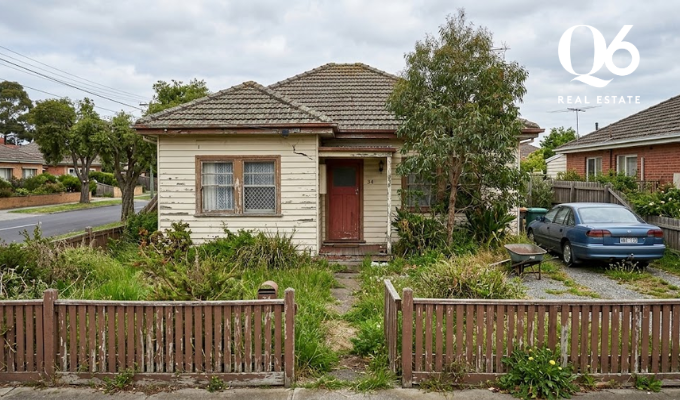
Financial stress often leads to neglected maintenance.
A professional building and pest inspection is essential.
Also consider:
- Structural issues
- Renovation costs
- Insurance eligibility
What looks like a bargain can quickly become expensive.
3. Understand Who Is Selling
Not all distressed sales are the same.
- Bank or mortgagee sales are sold as is, with limited disclosures
- Private urgent sales may allow negotiation and flexibility
Knowing the seller’s position helps you set realistic expectations.
4. Price vs Market Reality
A distressed listing is not automatically underpriced.
Compare:
- Recent comparable sales
- Independent property valuations
- Suburb-specific pricing trends
Local knowledge in Caroline Springs, Sunshine, and Deer Park makes a real difference here.
5. Finance Can Be More Complex
Some lenders are cautious with distressed properties.
You may face:
- Lower loan-to-value ratios
- Restrictions on poor-condition homes
- Short settlement timelines
Having a pre-approved early is critical.
6. Rental and Growth Potential
For investors, look beyond the purchase price.
Assess:
- Rental yield
- Vacancy rates
- Local demand
- Long-term capital growth
Western suburbs continue to perform well due to affordability and population growth.
Pros & Cons at a Glance
Pros
- Lower purchase price
- Value-add potential
- Suitable for investors and renovators
- Entry into high-demand suburbs
Cons
- Hidden legal or structural issues
- Limited warranties
- Renovation delays
- Finance challenges
A clear risk assessment is essential.
Are Melbourne’s Western Suburbs a Good Choice?
Caroline Springs, Sunshine, and Deer Park remain attractive due to strong demand, transport access, and relative affordability. However, each suburb requires a tailored approach rather than assumptions.
Why Local Expertise Matters
Buying a distressed property without guidance increases risk.
A local Q6 Real Estate expert helps with:
- Due diligence
- Price assessment
- Negotiation strategy
- Access to off-market opportunities
Local knowledge protects you from costly mistakes.
Final Thoughts
A distressed property in Melbourne can be a smart opportunity when researched properly. The western suburbs offer value, but success depends on preparation, inspections, and professional advice.
Contact Q6 Real Estate
Before buying a distressed property, speak to experts who understand the local market.
At Q6 Real Estate, we are built on trust, expertise, and personalised service. Based in Caroline Springs and servicing Sunshine, Deer Park, and Melbourne’s west, we help buyers and investors make confident decisions.
Contact Q6 Real Estate today and move forward with clarity and confidence.
FAQs
Are distressed properties always cheaper?
No. Some are competitively priced rather than discounted.
Can first home buyers buy distressed properties?
Yes, but renovation costs and finance approval must be carefully assessed.
Do banks negotiate on mortgage sales?
Negotiation is limited, as banks focus on debt recovery.
Are Western Suburbs good for investors?
Yes, especially where rental demand is strong.

Ahsan Qureshi is the CEO and OIEC of Q6 Real Estate, with a real estate career spanning nearly two decades and 15 years of prior experience in senior banking management. Since entering real estate in 2007, Ahsan has developed extensive expertise in residential property, negotiation and the Melbourne western suburbs market. As a Director/OIEC and REIV member, Ahsan combines strong local market knowledge with a client-focused approach built on professionalism, attention to detail and trust. As a long-term local resident and business owner, Ahsan remains deeply connected to the community and committed to delivering dependable service and strong outcomes for clients.