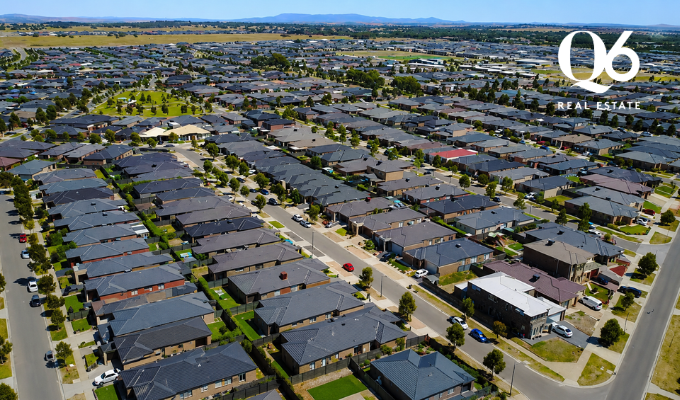

Planning to invest in property in 2026? This guide covers the key steps, market factors, financing options, rental returns, risks and strategies to help you make informed property investment decisions.
Property investment in Australia continues to attract investors seeking long-term wealth, but 2026 presents a different landscape from previous years. Rising interest rates, strong migration, limited housing supply, and changing investment strategies are shaping the market.
Many investors are asking the same questions:
“Is property still worth investing in? Which cities offer the best returns? And how can investors manage risk in a changing market?”
The good news? Property is still one of the most reliable ways Australians build long-term wealth, but success in 2026 requires smarter planning, deeper research, and the right professional guidance.
This guide explains the key property investment trends, strategies, risks, and opportunities shaping the Australian market in 2026.
Property Investment Market Trends in 2026
Australia’s property market continues to show resilience despite economic adjustments. Several economic and housing factors are currently influencing property investment across Australia.
National Property Price Growth
Property price forecasts suggest steady growth across the next two years.
| Year | House Price Growth | Unit Price Growth |
|---|---|---|
| 2025 | ~4.9% – 9% | ~4.6% – 7% |
| 2026 | ~5% – 7.7% | ~5% – 7.1% |
Market analysts expect houses to lead growth initially, while units may catch up as affordability pressures increase.
That means investors who concentrate on long-term appreciation can still find robust opportunities in well-located markets.
Rental Yield Across Major Australian Cities
Rental yields can vary dramatically by location.
| City | Average Gross Rental Yield |
|---|---|
| Sydney | 2.0% – 2.5% |
| Melbourne | 2.5% – 3.0% |
| Brisbane | 3.0% – 3.5% |
| Perth | 3.5% – 4.0% |
| Adelaide | 3.5% – 4.0% |
The national average rental yield is around 4.9%, showing that rental demand remains strong.
Cities such as Perth and Adelaide currently offer stronger yield opportunities, while Sydney and Melbourne focus more on long-term capital growth.
Investor Activity in the Market
Investor participation in the property market has reached record levels.
Recent lending data shows that investors now account for approximately 40% of all new housing loans, meaning nearly two out of every five property purchases involve investors.
Investor lending also grew around 18.8% year-on-year, highlighting continued confidence in property as a long-term asset class.
Migration and Housing Supply Shortages
One of the biggest drivers of property demand is population growth. According to the Australian Bureau of Statistics, population growth continues to drive housing demand across Australia.
Australia recorded around 379,900 net permanent and long-term arrivals in the first eight months of 2025, which significantly increased housing demand.
At the same time, housing construction has struggled to keep pace. Government housing targets aimed for 200,000 new dwellings, but only around 142,000 homes were started, leaving a shortfall of about 58,000 properties.
This supply imbalance continues to push both rental prices and property values upward.
Property Investment Strategies That Work in 2026
Smart investors usually combine multiple strategies rather than relying on just one. Instead, they adopt strategies suited to market conditions and long-term financial goals.
Below are some of the most effective property investment strategies used in 2026.
1. Buy-and-Hold Strategy
The buy-and-hold strategy remains one of the most widely used investment approaches.
This strategy focuses on purchasing a well-located property and holding it for the long term to benefit from both capital growth and rental income.
Typical performance expectations include:
- 5–7.7% annual capital growth
- 3–4% rental growth per year
- 2–4% rental yield
Combined, these factors can produce total annual returns between 7% and 12% over time.
Investors often target inner-city suburbs and supply-constrained areas, where property values historically perform better over the long term.
2. Build-to-Rent Investments
Build-to-rent (BTR) properties are becoming increasingly popular among institutional investors.
These developments are purpose-built residential buildings designed entirely for rental tenants, offering professional management and long-term leasing structures. Last year, a Q6 client in Perth bought a BTR unit and saw a 3.8% rental yield within the first 12 months, highlighting the potential of this approach.
Key characteristics include:
- Rental growth around 3–4% annually
- Gross yields typically between 2.5% and 3.5%
- Lower vacancy rates in high-demand areas
Because of Australia’s housing shortage, build-to-rent projects are expected to play a larger role in the future housing supply.
3. Off-the-Plan Property Investment
Buying off-the-plan apartments allows investors to purchase property before construction is completed.
Potential advantages include:
- Lower entry prices
- Capital growth during construction
- New-build tax depreciation benefits
Projected returns for well-located off-the-plan units can reach 8–11% total annual returns, combining capital appreciation and rental income.
However, investors must carefully evaluate location demand and supply levels to avoid oversupply risks.
Houses vs Apartments: Which Investment Performs Better?
Both houses and apartments offer different advantages depending on the investor’s strategy.
House Investment
Houses generally provide:
- Stronger long-term capital growth
- Higher land value appreciation
- Lower supply availability
Typical returns include:
- 5–7.7% capital growth
- 2–4% rental yields
- 7–10% total annual returns
Apartment Investment
Apartments often provide:
- Lower purchase prices
- Higher rental yields in some markets
- Easier entry for new investors
Typical returns include:
- 5–7% capital growth
- 3–4% rental yields
- 8–12% total annual returns
However, apartments can face higher vacancy risks and strata costs, particularly in oversupplied areas.
Key Risks Property Investors Should Consider in 2026
While property investment offers strong potential returns, investors must also understand the risks involved.
Interest Rate Risk
Interest rates play a big role in how much you can borrow and what your mortgage will cost.
Australia’s central bank lifted the cash rate to nearly 3.85% in early 2026, raising borrowing costs for investors. Even small increases can have a major impact. For example, a 0.25% rate rise may increase mortgage repayments by around $90–$100 per month on a $600,000 loan.
Oversupply in Certain Areas
Although Australia has an overall housing shortage, some specific suburbs or high-rise developments may face oversupply.
This can reduce rental demand and slow capital growth, making location research extremely important.
Regulatory Changes
Government policies can affect property investment profitability.
Changes to areas such as:
- lending regulations
- tenancy laws
- tax rules
may alter how investors structure their portfolios.
Rental Market Volatility
Rental markets remain tight, with vacancy rates around 1.2–1.3% nationally, but rapid rent increases may eventually reach affordability limits for tenants.
This could slow rental growth in some areas over time.
Why Professional Guidance Matters for Property Investors
With complex market conditions, choosing the right property and strategy is more important than ever.
Experienced real estate professionals help investors:
- identify high-growth locations
- analyse rental yields and market trends
- assess risk factors
- Find properties aligned with long-term investment goals
Having expert guidance can significantly improve investment outcomes.
Start Your Property Investment Journey with Q6 Real Estate
Property investment in 2026 remains strong. The key is making smart, well-researched decisions and seeking expert advice.
At Q6 Real Estate, our team helps investors identify high-growth opportunities, evaluate market risks, and build profitable property portfolios across Australia. Whether you are investing for the first time or expanding your portfolio, our team can help you navigate each stage of the process.
Thinking about investing in property? Get in touch with Q6 Real Estate to explore the best investment opportunities available in today’s market.
Frequently Asked Questions
Is property still a good investment in 2026?
Yes. Strong migration and low housing supply, coupled with steady population growth, continue to support property demand and long-term value growth despite higher interest rates.
What is the average return on investment in property Australia?
Many investors aim for 7–12% total annual returns, combining capital growth and rental income, although actual results vary by location and property type.
Which Australian cities offer the best rental yields?
Cities like Perth and Adelaide are offering higher rental yields right now at between 3.5 % and 4%, with Sydney and Melbourne seeing less of a focus on yield but capital appreciation instead.
What types of properties should investors buy, houses or apartments?
Houses generally provide stronger long-term growth, while apartments often offer lower entry prices and slightly higher rental yields. The best option depends on investment goals and budget.
What is the number one risk in property investment today?
Interest rate changes, oversupply in certain areas, and regulatory changes remain the biggest risks investors should consider before purchasing property.

Ahsan Qureshi is the CEO and OIEC of Q6 Real Estate, with a real estate career spanning nearly two decades and 15 years of prior experience in senior banking management. Since entering real estate in 2007, Ahsan has developed extensive expertise in residential property, negotiation and the Melbourne western suburbs market. As a Director/OIEC and REIV member, Ahsan combines strong local market knowledge with a client-focused approach built on professionalism, attention to detail and trust. As a long-term local resident and business owner, Ahsan remains deeply connected to the community and committed to delivering dependable service and strong outcomes for clients.